

What We’re Typically Brought In For
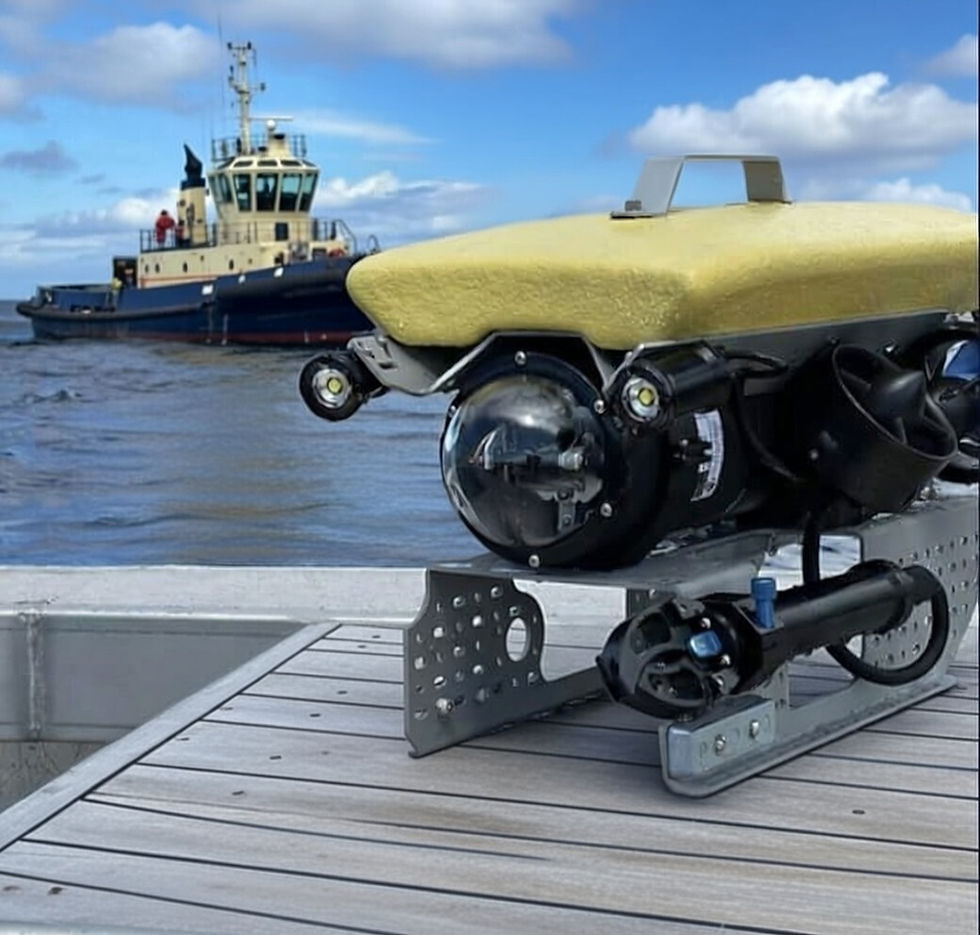
All inspections are performed using remotely operated vehicles (ROVs) to document submerged assets.
Clear findings, fast deployment, and reporting that supports real decisions.
Vessels & Fleets
Hull, propeller, rudder, sea-chest checks, and at-anchor documentation.
At-anchor ship inspections (pre-port entry)
Barge & workboat hull surveys
Incident / damage verification
Baseline documentation programs
Harbors, Piers & Waterfront Structures
Inspection support for marine construction and asset owners.
Piles, caps, seawalls, bulkheads
Scour checks & obstruction scans
Pre & post-construction documentation
Low-visibility condition verification
Utilities & Infrastructure
In-service underwater documentation for critical assets.
Potable water storage inspections
Intakes, outfalls, culverts, vaults
Storm response documentation
Year-over-year comparisons
Inspection + documentation + reporting
We capture clear visual evidence, apply experienced interpretation, and deliver decision-ready documentation so you can determine next steps with confidence.
How Our Work Is Used
Our findings are commonly used to:
-
Plan repairs or construction work
-
Support engineering review
-
Satisfy owners, insurers, or stakeholders
-
Establish defensible baselines for future comparison

About Our Company
We work alongside operators and contractors to support informed decision-making.
Wit Industries was built around a simple idea: before anyone goes underwater, we should know what’s actually there.
We provide underwater inspection and documentation using remotely operated vehicles (ROV) in environments where visibility is poor, access is limited, and decisions carry real cost. Our work helps vessel owners, contractors, ports, and utilities see below the surface and make informed choices before committing people, time, or money.
This company was created by operators with firsthand experience in commercial marine work who saw how often underwater decisions were made with incomplete information. Wit Industries exists to close that gap.